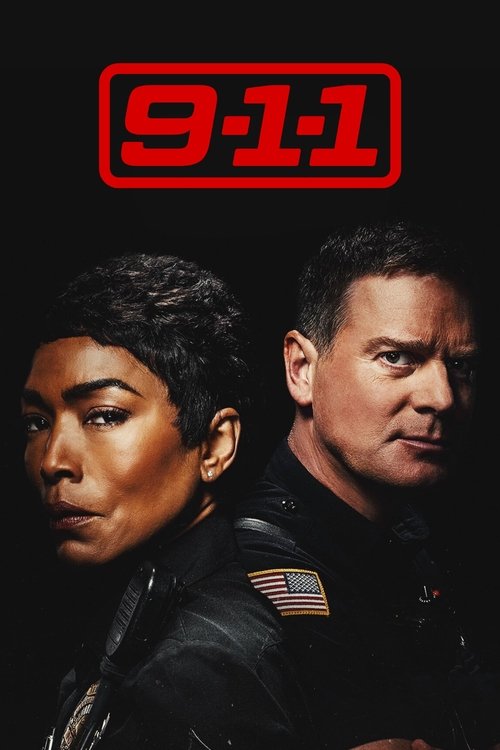
9-1-1
Season 5 Analysis
Season Overview
Season 5 of 9-1-1 focuses on the theme of "starting over." While it features the usual high-octane emergencies, it is heavily defined by the temporary absence of several main characters and a major shift in the 118 team’s roster.
Season Review
Categorical Breakdown
A high level of diverse casting is established, with non-white characters like Athena and Hen consistently occupying the most authoritative and competent positions in the police and fire departments. The narrative does not dedicate major plot time to explicit lectures on systemic oppression or privilege, but the casting and character hierarchy strongly favor intersectional diversity, which is portrayed as the superior norm.
The entire premise is built on the competence of the city's first responders, who are shown saving lives and restoring order within the Western-based institutions of the fire department and police. This framing is a celebration of civic virtue and social order, not a deconstruction or demonization of the home culture.
Female characters Athena and Hen are consistently shown as powerful, highly competent, and emotionally balanced leaders—embodying the 'Girl Boss' trope. Maddie's arc focuses on her struggle with postpartum depression and her eventual return to her career, which positions career fulfillment as necessary for recovery. However, male characters like Eddie, Bobby, and Buck are also given complex, multi-episode arcs dealing with PTSD, addiction, and emotional vulnerability, which counters the outright emasculation or depiction of men as simpletons.
Alternative sexualities are a central and positively affirmed element of the series. Hen and Karen's stable lesbian marriage is celebrated with a renewed wedding ceremony, and Athena's continued blended family dynamic with her gay ex-husband, Michael, is treated as the normative structure. The presence and centering of these relationships is prominent throughout the season.
Traditional religion is not a significant focus, but it is not demonized. The show maintains a mostly secular humanistic view of morality based on service and community. Bobby's continuing struggle with alcoholism and his role as a firehouse captain retains a subtext of personal redemption and moral responsibility, suggesting a transcendent morality is acknowledged, even if not explicitly religious.