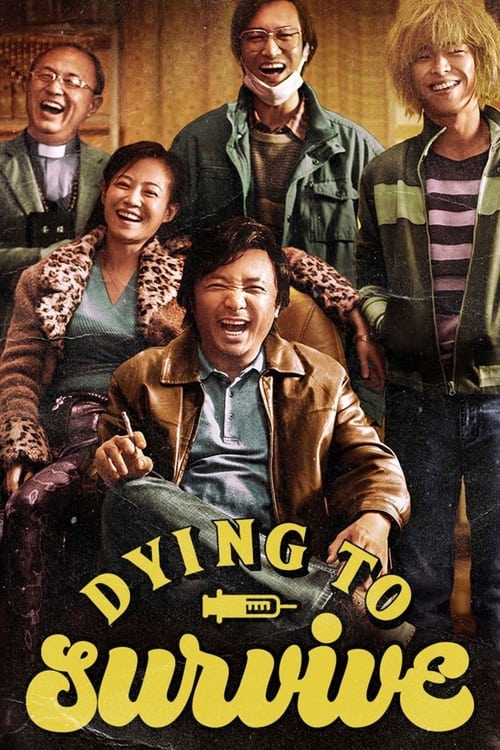
Dying to Survive
Plot
When a mysterious visitor appears, the life of Yong Cheng, owner of a store that stocks aphrodisiac products, changes dramatically. He becomes the exclusive selling agent of a cheap Indian generic drug against Chronic Granulocytic Leukemia in China. Not only does Yong Cheng see his profits skyrocket, but he is dubbed the god of medicine“ by his customers
Get the Weekly Woke Watchlist
New and trending movies scored for woke bias, preachy messaging, and forced political themes — before you waste your evening.
No spam. One useful email per week.
Overall Series Review
Categorical Breakdown
Characters are judged by their moral development and actions in response to a medical crisis rather than by any immutable characteristic or intersectional status. The conflict is between the poor and corporate profiteering, a struggle based on economic class and universal human suffering, not race or gender identity. The setting and casting are historically and regionally authentic.
The film criticizes a specific institutional failure—the national healthcare system's drug pricing—causing suffering for citizens. The narrative shows the corruption and cruelty of corporate greed and legal rigidity. However, the criticism is tempered by the film's conclusion, which highlights the government's subsequent reform efforts, reframing the social critique as a push for improvement, not an assertion that the home culture is fundamentally corrupt or beyond saving.
The main female character is a capable, resourceful mother motivated primarily by saving her sick daughter. Her role as a patient advocate and organizer is vital to the group. Motherhood is a key, positive, driving force in her character arc. The male protagonist is initially a divorced, selfish 'deadbeat' who finds redemption and purpose through his struggle, which avoids the trope of emasculating men in favor of a flawless female lead.
The film focuses entirely on the economic and health struggles of a heterosexual main cast, including a father fighting for custody of his son and a mother fighting for her daughter's life. Sexual identity and gender ideology are not part of the storyline or its moral commentary.
One of the most compassionate and reliable members of the protagonist's core team is Pastor Liu, a Christian pastor. His faith and his role in his community are portrayed positively as a source of practical and moral support, directly opposing the trope of traditional religion being the root of evil or bigoted.
Get the Weekly Woke Watchlist
New and trending movies scored for woke bias, preachy messaging, and forced political themes — before you waste your evening.
No spam. One useful email per week.