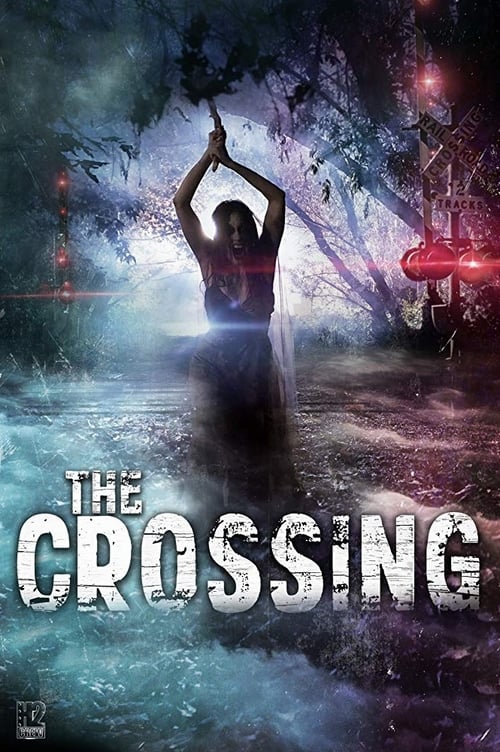
The Crossing
Plot
A vengeful bride-to-be loses her husband moments before their wedding. A series of random killings ending lovers' future plans for happiness follows.
Get the Weekly Woke Watchlist
New and trending movies scored for woke bias, preachy messaging, and forced political themes — before you waste your evening.
No spam. One useful email per week.
Overall Series Review
Categorical Breakdown
The plot summary provides no information regarding the race or immutable characteristics of the killer or her victims. Character motivations are driven by personal loss and subsequent vengeance, not by intersectional hierarchy or lectures on systemic oppression. Casting appears to be colorblind without political lecturing.
There is no content in the core plot involving hostility toward Western civilization, one's home, or ancestors. The action is a localized crime spree driven by personal psychosis rather than an indictment of societal systems or a spiritual preference for external cultures.
The central narrative is a pure manifestation of an anti-natalist/anti-family motif. The female lead, driven by rage over a failed commitment, dedicates herself to destroying the happiness of other couples with 'future plans.' This portrays the desire for a traditional family as a magnet for homicidal female violence, framing traditional female fulfillment (marriage) as a source of madness and destruction. The central, empowered figure is a murderous ‘Girl Boss’ focused on abolishing domestic bliss.
The victims are described generally as 'lovers' with 'future plans for happiness,' a broad description that does not explicitly center alternative sexualities. The focus of the killer’s rage is the institution of committed pairing itself, which is a generalized attack, not a targeted deconstruction of the nuclear family via gender ideology.
No content or commentary is available to indicate a hostile stance toward religion, specifically Christianity. The killer's actions appear to be purely psychological and personal, not ideologically or religiously motivated. The narrative focuses on mortal vengeance rather than a discussion of objective moral truth or its absence.
Get the Weekly Woke Watchlist
New and trending movies scored for woke bias, preachy messaging, and forced political themes — before you waste your evening.
No spam. One useful email per week.