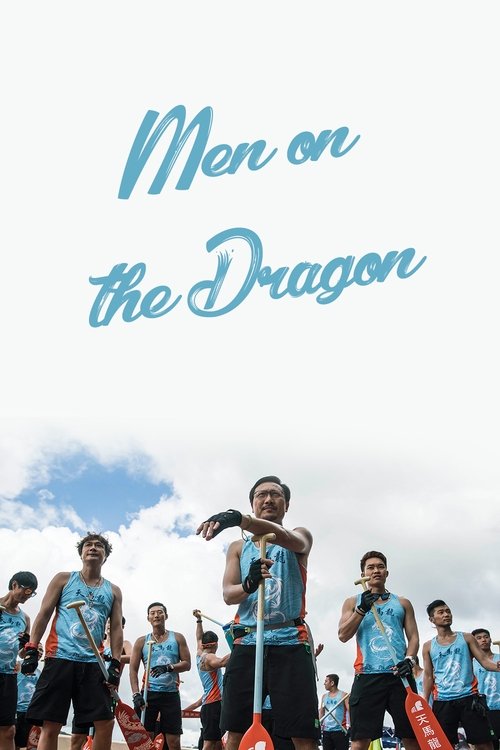
Men on the Dragon
Plot
Four telecom employees begrudgingly join the company’s dragon boat team to help keep them immune from encroaching layoffs only to discover themselves.
Get the Weekly Woke Watchlist
New and trending movies scored for woke bias, preachy messaging, and forced political themes — before you waste your evening.
No spam. One useful email per week.
Overall Series Review
Categorical Breakdown
The movie is a Hong Kong local film focused on the working-class experiences of its predominantly East Asian cast. The conflict revolves around economic insecurity (company layoffs) and personal struggles (mid-life crises), not race or intersectional hierarchy. The characters' journey emphasizes meritocracy and effort through their training for the dragon boat race, placing the focus on universal themes of hard work and character development.
The narrative is a 'Pure Hong Kong Local Genre Film' that utilizes the 'unique Hong Kong look' and stands with the working-class people of Hong Kong. The central activity is dragon boat racing, a traditional cultural practice. The theme is one of *rekindling* a fighting spirit and overcoming internal despair within their own home, institution, and culture, indicating a sense of gratitude and respect for local heritage.
The movie introduces a strong female character, Coach Dorothy, who is a no-nonsense leader aiming to succeed in a male-dominated field, aligning with the 'Girl Boss' archetype. Furthermore, the male protagonists are repeatedly portrayed as emasculated, 'hen-pecked and belittled' by the women in their lives, including their wives, which can be interpreted as a trope of male incompetence. However, the overall story is a sympathetic look at the men's struggle and eventual triumph, which keeps the score from reaching the highest levels of male vilification.
The plot's focus is on the heterosexual crises of the four male leads, involving their estranged wives, girlfriends, and relationships with a neighbor who is a single mother. The traditional male-female pairing is the normative structure of the relationships in the film, albeit relationships that are failing. There is no presence of queer theory, centering of alternative sexualities, or lecturing on gender identity.
The plot centers on work, sports, and personal/domestic conflicts, with no mention of organized religion or hostility toward religious belief. The film's overall 'life-affirming' and 'inspiring' tone suggests an embrace of objective personal betterment and a transcendent moral purpose in finding one's lost spirit, avoiding moral relativism.
Get the Weekly Woke Watchlist
New and trending movies scored for woke bias, preachy messaging, and forced political themes — before you waste your evening.
No spam. One useful email per week.