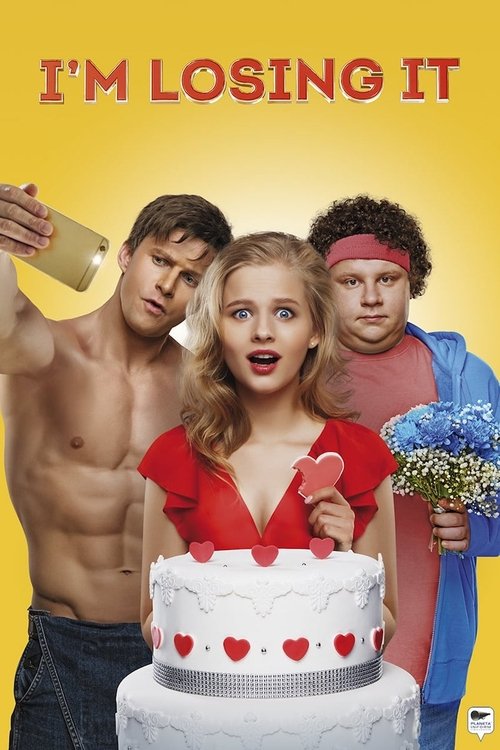
I'm Losing It
Plot
There's two great loves in Anya's life, her athlete boyfriend Zhenya and food. Zhenya is not happy how Anya has been gaining weight due to her eating habits and decides to dump her. But Anya doesn't want to give up and decides to get rid of excess weight with the help of Nikolai, an overweight man obsessed with the healthy living.
Get the Weekly Woke Watchlist
New and trending movies scored for woke bias, preachy messaging, and forced political themes — before you waste your evening.
No spam. One useful email per week.
Overall Series Review
Categorical Breakdown
Characters are defined by personal traits like weight, eating habits, and individual relationships. The movie is Russian, set in Nizhny Novgorod, and does not rely on race, class, or intersectional hierarchy to drive the plot. There is no vilification of 'whiteness' or forced diversity.
The narrative is a personal story focusing on family issues (father's abandonment) and a health journey within a domestic Russian setting. There is no hostility toward the home culture, deconstruction of heritage, or framing of the society as fundamentally corrupt.
The female lead is a flawed character who must work hard for self-improvement and self-acceptance; she is not an instantly perfect 'Girl Boss.' The athlete ex-boyfriend is shown as shallow, but the male co-lead, Kolya, is supportive, encouraging, and essential to her journey, demonstrating a complementary male-female dynamic.
The primary romantic and personal conflicts revolve around traditional male-female pairings. The central themes are weight loss, self-worth, and family trauma. There is no evidence of centering alternative sexualities, deconstructing the nuclear family institution, or lecturing on gender ideology.
The film champions a search for 'true happiness' and self-worth over superficial physical appearance, suggesting a transcendent value system. The story is focused on psychological and physical well-being, not on moral relativism or hostility toward religion.
Get the Weekly Woke Watchlist
New and trending movies scored for woke bias, preachy messaging, and forced political themes — before you waste your evening.
No spam. One useful email per week.