See
Season 3 Analysis
Season Overview
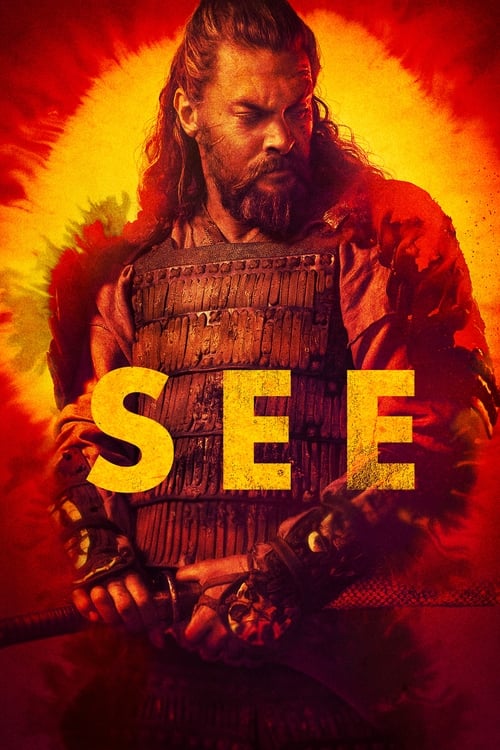
Almost a year has passed since Baba Voss defeated his nemesis brother Edo and bid farewell to his family to live remotely in the forest. But when a Trivantian scientist develops a new and devastating form of sighted weaponry that threatens the future of humanity, Baba returns to Paya in order to protect his tribe once more.
Season Review
Categorical Breakdown
The entire post-apocalyptic society is structured around a systemic oppression narrative where the sighted minority, an immutable characteristic, is persecuted by the blind majority. The show actively highlights the importance of inclusivity by using cast and crew who are blind or have low vision. The primary conflict is built on this characteristic-based power dynamic, which aligns with intersectional framing, though it does not rely on race-based vilification or race-swapping.
The narrative is highly critical of the post-Collapse human civilization, portraying the new, primitive world as a brutal, violent, and corrupt society driven by fear and political intrigue. The world is shown to be fundamentally flawed and prone to self-destruction through old technology and new weapons. This is a critique of a fictional, collapsed culture, not an explicit vilification of Western civilization or its ancestors.
Strong female characters hold nearly all positions of ultimate power, including Queen Maghra, the primary ruler, and her sister Sibeth, the relentless antagonist. The hero, Baba Voss, is a powerful, protective male figure, which counters the trope of the incompetent male. The son Kofun is depicted as uncertain and makes an irrational choice to mutilate himself to fit in, while the daughter Haniwa is independently driven to seek knowledge and freedom. The main villain's enforced, non-familial pregnancy is framed as a horrific act of power, not a celebration of motherhood.
A central protagonist’s daughter, Haniwa, is in a normalized same-sex relationship with another prominent female character, Wren. This pairing is integrated into the narrative without explicit political lecturing, but it establishes an alternative sexuality as a key component for one of the main family members. The series focuses on the immediate family unit, which features a traditional male-female couple at its core, but surrounds it with unconventional dynamics and this same-sex pairing.
Organized religion, represented by the Witchfinders, is depicted as a source of violent hysteria and persecution against the sighted minority. This primitive faith weaponizes fear and prejudice, making religious belief a clear antagonistic force in the fictional society. The show's ultimate moral compass resides in familial loyalty and protection (Baba Voss's ethos), rather than a sense of objective, transcendent moral law.