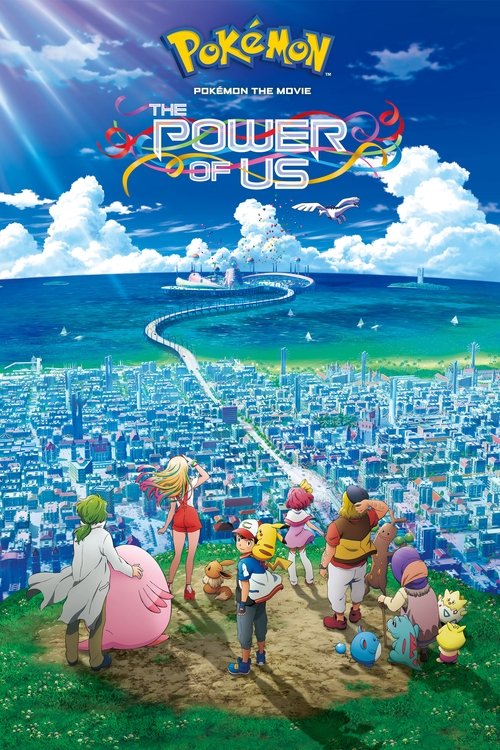
Pokémon the Movie: The Power of Us
Plot
A young athlete whose running days might be behind her, a compulsive liar, a shy researcher, a bitter old woman, and a little girl with a big secret—the only thing they have in common is the annual Wind Festival in Fula City. The festival celebrates the Legendary Pokémon Lugia, who brings the wind that powers this seaside city. When a series of threats endangers not just the festival, but all the people and Pokémon of Fula City, it’ll take more than just Satoshi and Pikachu to save the day! Can everyone put aside their differences and work together—or will it all end in destruction?
Get the Weekly Woke Watchlist
New and trending movies scored for woke bias, preachy messaging, and forced political themes — before you waste your evening.
No spam. One useful email per week.
Overall Series Review
Categorical Breakdown
Characters are defined by personal, changeable flaws (lying, timidity, bitterness, reluctance) and their meritocratic efforts to overcome them, not by immutable characteristics or race. The focus is on universal virtues like courage and honesty. There is no evidence of race-based lecturing or vilification of any group.
The plot revolves around the annual Wind Festival, which is explicitly framed as a celebration of Fula City's ancient traditions, its founding legend with Lugia, and its technological power source (wind turbines). The city’s institutions and heritage are respected and restored, not demonized. The goal is to honor the ancestors' promise and tradition.
Both male (liar, anxious researcher) and female (reluctant athlete, bitter old woman) characters are flawed and must show personal growth and courage to contribute to the resolution. The female lead, Risa, is not instantly perfect but earns her role through effort and overcoming her physical and psychological hurdles. The dynamics are complementary, valuing individual effort from all people.
There is no presence of sexual ideology. The movie is a family-oriented adventure that focuses on friendship, community, and personal moral arcs. The narrative structure is entirely normative and avoids any lecturing on alternative sexualities or gender theory.
The core of the city is the Wind Festival, which is based on an ancient spiritual belief and a promise with the Legendary Pokémon Lugia. This 'faith' is what guides the final actions to save the city. The movie portrays this spiritual foundation as a source of strength and order, not as a root of evil or bigotry. Objective truth (personal integrity, community cooperation) is necessary for salvation.
Get the Weekly Woke Watchlist
New and trending movies scored for woke bias, preachy messaging, and forced political themes — before you waste your evening.
No spam. One useful email per week.