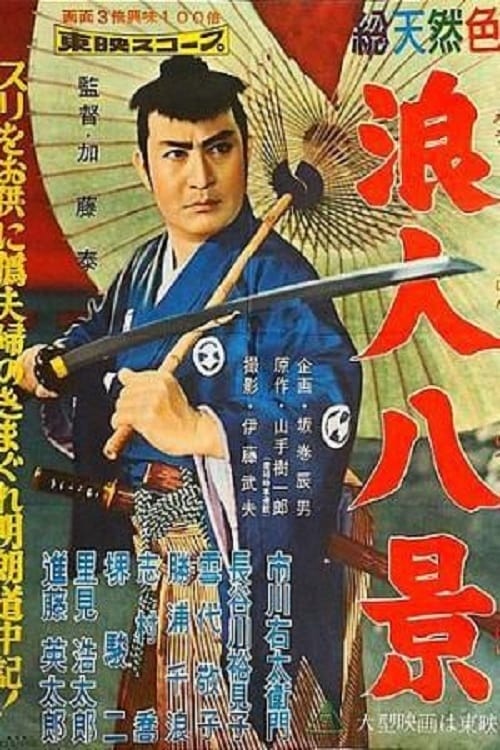
Eight Views of Samurai
Plot
Bright samurai movie innovatively adapted from a classic story. A traveling masterless samurai is asked by a daughter of an established samurai family to pretend they are a married couple, and gets involved in the troubles of the samurai clan.
Get the Weekly Woke Watchlist
New and trending movies scored for woke bias, preachy messaging, and forced political themes — before you waste your evening.
No spam. One useful email per week.
Overall Series Review
Categorical Breakdown
The film is set in a historically and ethnically homogenous Japan (samurai era). Characters are judged entirely on their samurai skill, personal virtue, and actions (meritocracy) as they navigate clan troubles. The plot contains no vilification of a majority group, forced diversity, or an intersectional hierarchy lecture. All casting is historically authentic to the setting.
The film is a Japanese production celebrating a classic Japanese story. The narrative focuses on clan troubles, which is a genre trope, not a critique of the entire Japanese civilization. The hero is a moral and skilled ronin who upholds traditional virtues like honor and protection, validating core cultural institutions of the time rather than expressing self-hatred toward them.
Women are central to the plot and drive the action, showing agency within their traditional roles, which prevents a 1/10 score for lacking agency. However, the story centers on the nuclear family structure (a fake marriage) and clan loyalty. Masculinity is protective, and the male hero demonstrates complementary strength and skill. There is no 'Girl Boss' trope, no emasculation of men, and no anti-natalist messaging. A background element, where the hero's true love interest has a notable age gap, reflects a non-woke, pre-modern dynamic.
The story centers on a normative male-female pairing, albeit a pretend marriage, and romantic dynamics are traditional. There is no presence of alternative sexual ideologies, deconstruction of the nuclear family, or focus on gender theory. Sexuality remains a private matter that follows the normative structure of the era.
As a Japanese period film, the social setting is steeped in traditional Confucian, Buddhist, and Shinto influences which inform the samurai code and social order. The narrative does not contain hostility toward religion or spirituality. Morality is clearly defined by honor, loyalty, and justice, indicating objective, transcendent moral laws are at work, which is the opposite of moral relativism.
Get the Weekly Woke Watchlist
New and trending movies scored for woke bias, preachy messaging, and forced political themes — before you waste your evening.
No spam. One useful email per week.