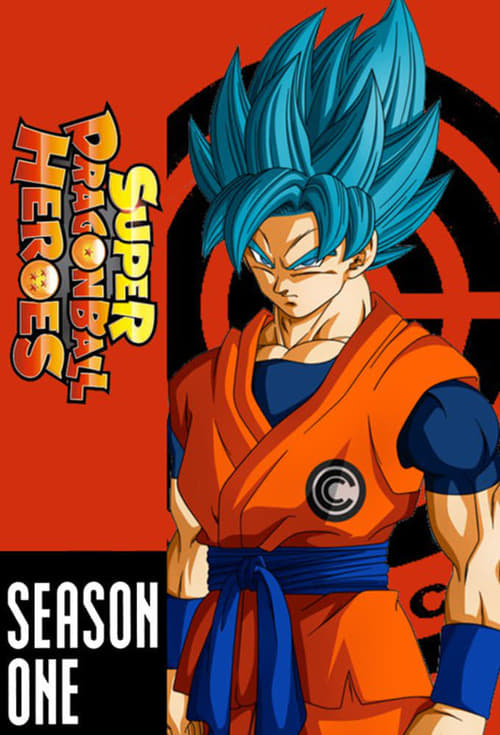
Super Dragon Ball Heroes
Season 1 Analysis
Season Overview
No specific overview for this season.
Season Review
Categorical Breakdown
Characters are judged solely on the merit of their fighting strength and power levels, which is the established universal meritocracy of the Dragon Ball universe. The conflict revolves around alien races (Saiyans, Kaioshin, etc.), entirely sidestepping Earth-based race or intersectional identity politics. There is no depiction of 'whiteness' or forced diversity, only the established color-blind cast of cosmic warriors.
The central conflict is a cosmic-level threat to the multiverse. The protagonists’ motivation is consistently to save their home, Universe 7, and their friends and family, which is the opposite of civilizational self-hatred. There is no demonization of the heroes' origin or history. The primary antagonist targets the arbitrary power of the Omni-King Zeno, a critique of god-like despotism, not Earth's culture or ancestors.
The series is dominated by masculine martial arts combat and power fantasies. Female characters like Future Mai are sidelined, serving largely as supporting figures or motivators. While two new female android villains, Oren and Kamin, are introduced, they are not portrayed as instant 'Mary Sue' characters but as powerful new threats who struggle and fuse to compete with the male protagonists. The narrative does not feature anti-natalist or anti-family messaging.
The narrative contains no exploration of alternative sexualities, gender ideology, or deconstruction of the nuclear family. The focus remains exclusively on high-stakes, multiversal combat, maintaining the series' traditional male-female pairings as the standard backdrop without any political commentary.
The show involves literal cosmic 'Gods' and 'Angels' (Kaioshin, Hakaishin, Zeno), but they are bureaucratic and powerful alien rulers, not figures of traditional Earth-based faith. The main villain’s goal is to overthrow Zeno, a critique of absolute, arbitrary power rather than an attack on organized religion. The moral framework is a standard good-versus-evil battle that acknowledges a higher moral law based on protecting the weak and confronting evil.