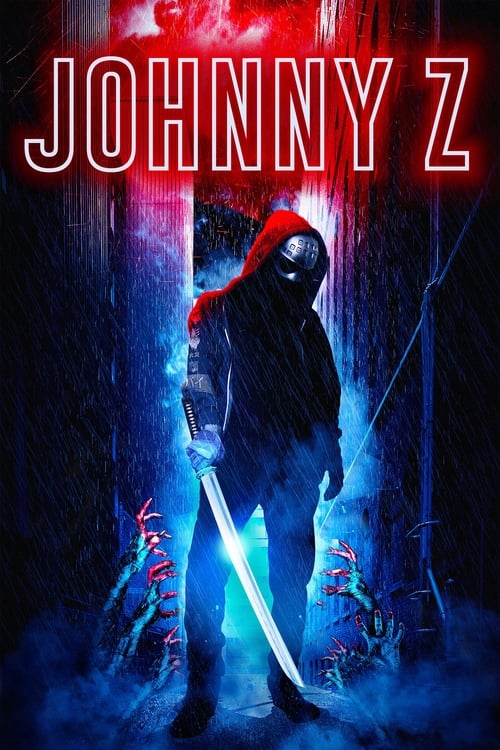
Johnny Z
Plot
A half-human, half-zombie named Johnny pursues the malevolent corporation responsible for his creation. With the expert guidance of a seasoned martial arts master, he seeks justice and retribution.
Get the Weekly Woke Watchlist
New and trending movies scored for woke bias, preachy messaging, and forced political themes — before you waste your evening.
No spam. One useful email per week.
Overall Series Review
Categorical Breakdown
Characters are judged by their skill and will to fight, adhering to a universal meritocracy of martial arts proficiency. Jonray and his brother Crisanto are prominent, capable Hispanic characters who are defined by their actions and brotherhood. The primary villain is a white male who represents a corrupt corporation, a generic antagonist in action cinema, rather than a specific vilification of 'whiteness' or explicit lecture on privilege. The protagonist's struggle is a literal identity crisis as a hybrid, not a commentary on social identity.
The setting is a post-apocalyptic dystopia, with the central conflict being a classic battle against a 'malevolent corporation' responsible for the zombie plague. The film does not feature content that demonizes Western civilization, its ancestors, or core institutions. The critique is aimed at corporate greed and corruption, not civilizational self-hatred.
The core dynamic of the film is centered on three male characters: the hybrid hero (Johnny Z), the male martial arts master (Jonray), and the corporate hunter (Frank). The narrative focuses entirely on a male-centric revenge story and does not present the 'Girl Boss' or 'Mary Sue' tropes. There is no evidence of emasculating male characters or anti-natalist/anti-family messaging.
The main plot does not center on sexual identity or deconstruct the nuclear family. A supporting scene features an underground zombie fight club run by a character described as a 'bicurious camp MC.' This character introduces an alternative sexuality but is tangential to the core revenge plot, preventing a low score but also keeping it far from an ideological focus.
The conflict is secular, pitting the hero against a corrupt corporation in a post-apocalyptic landscape. The film's primary themes are survival, revenge, and redemption in a non-spiritual context. There is no evidence of explicit hostility toward religion, nor does the narrative use faith as a source of strength or acknowledge a higher moral law beyond personal justice. The morality is generally objective (evil corporation vs. wronged hero) but remains earthbound, placing the film in a neutral, secular action-genre space.
Get the Weekly Woke Watchlist
New and trending movies scored for woke bias, preachy messaging, and forced political themes — before you waste your evening.
No spam. One useful email per week.