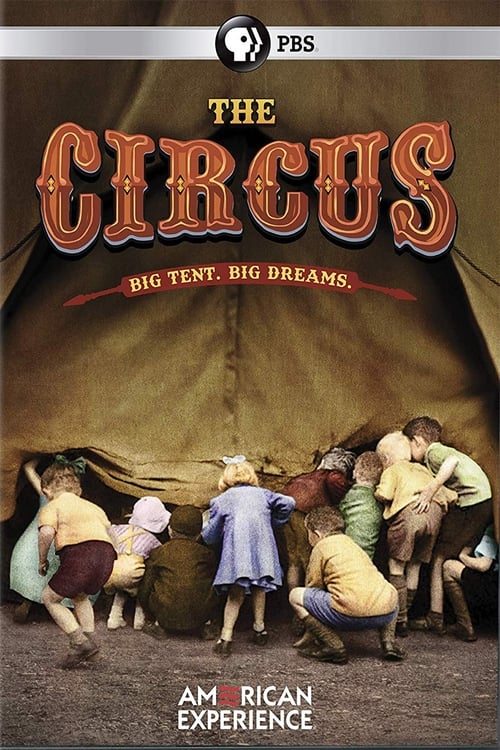
The Circus
Plot
Drawing upon a vast and richly visual archive and featuring a host of performers, historians and aficionados, this four-hour mini-series follows the rise and fall of the gigantic, traveling tented railroad circus and brings to life an era when Circus Day would shut down a town and its stars were among the most famous people in the country.
Get the Weekly Woke Watchlist
New and trending movies scored for woke bias, preachy messaging, and forced political themes — before you waste your evening.
No spam. One useful email per week.
Overall Series Review
Categorical Breakdown
The film avoids simplistic vilification of white males as a class but deliberately highlights the historical exploitation of non-white and disabled people. It details P.T. Barnum's exhibition of a leased slave and the presentation of people from Africa and Asia as 'ethnographic curiosities' for entertainment. The narrative frames the historical phenomenon through a critical intersectional lens, focusing on the systemic nature of exploitation and inequality.
The documentary praises the circus as a 'uniquely American entertainment' that helped 'stitch into one nation the patchwork of disconnected communities,' acknowledging a positive, unifying cultural element. However, the film explicitly states the circus 'embraced and was made possible by Western imperialism,' which introduces a critical, negative framing of the Western civilizational project. The tone is more academic criticism than outright self-hatred.
The documentary presents female performers as trailblazers and economic pioneers who were one of the earliest groups of women to achieve wage parity with their male counterparts. It highlights their role as outspoken advocates for women's suffrage, framing their physical courage as proof of their 'endurance of men.' This focuses heavily on female empowerment and career fulfillment outside the domestic sphere, but does not include explicit anti-natalism or gratuitous emasculation of all men.
The documentary is a historical examination of the 19th and early 20th-century big-top circus, which predates modern sexual ideology in media. The narrative maintains a normative structure by focusing on documented historical performers and events without introducing modern queer theory or lecturing on alternative sexualities or gender identity.
The historical context of the circus is framed by its 'tension between its unconventional entertainments and prevailing standards of respectability.' This critiques the rigid social morality of the time, which was often tied to religious standards. However, the film focuses on historical social conflict rather than demonizing religion or Christian characters as the root of evil, nor does it promote moral relativism as a primary theme.
Get the Weekly Woke Watchlist
New and trending movies scored for woke bias, preachy messaging, and forced political themes — before you waste your evening.
No spam. One useful email per week.