The White Lotus
Season 3 Analysis
Season Overview
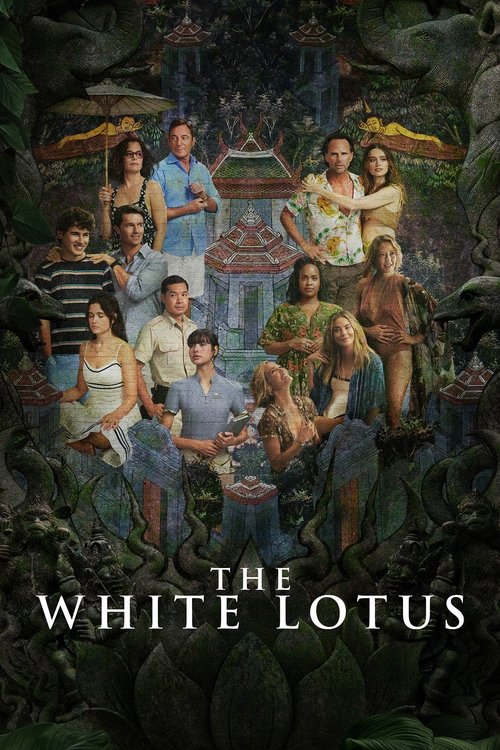
Set at a luxurious wellness resort in Thailand, the lives of wealthy guests and dedicated staff intertwine in unexpected ways. The season explores themes of privilege, personal transformation, and cultural contrasts, all set against the backdrop of stunning locales and intricate social dynamics.
Season Review
Categorical Breakdown
The plot heavily relies on a critique of 'privilege' and 'white supremacy,' presenting the wealthy American guests as uniformly corrupted by greed, materialism, and dysfunction. White males are depicted as either deeply toxic or tragically incompetent. The Asian, working-class characters are generally portrayed as wise, spiritually centered, or as service-oriented figures who exist to reflect the guests' internal hollow states, with little independent, complex narrative focus given to their own struggles outside of a Western-centric lens.
The central thematic device is the spiritual and moral superiority of the host culture's philosophy over the Western one. The pursuit of the American Dream, Christian-aligned values of teleological purpose, and ego are explicitly framed as the source of suffering and imprisonment, which the Eastern, Buddhist-influenced culture is positioned to resolve through non-attachment and surrender. The Western 'home culture' is thus presented as fundamentally corrosive to the soul.
Toxic masculinity and the pressure on men to be providers are key themes, with one patriarch contemplating murder-suicide after losing his fortune. While no character is a perfect 'Girl Boss,' several female characters are portrayed as upholding a materialistic, dysfunctional 'patriarchy' by demanding high-earner status from their men. The narrative critiques the traditional Western gender compact, showing its inevitable decay, but avoids depicting any character with traditional roles in a positive, sustaining light.
A central storyline features a white male character's explicit, lengthy monologue detailing his exploration of 'latent homosexuality' and a 'gender identity' crisis, where he expresses a desire to cross-dress and 'become one of those Asian girls.' This deconstruction of gender and sexual reality is foregrounded and is positively contrasted with the supposedly less-accepting Western culture, with Thailand serving as the non-judgmental 'liberated space' for this exploration.
The core of the season's message is a direct, critical comparison between Western, ego-driven identity (historically and culturally tied to Christianity) and Eastern Buddhist philosophy. The monk's teachings on detachment and the self as a 'prison' are presented as the objective, transcendent truth to which the Western characters must surrender to find peace. The Western desire for 'vengeance' and 'resolution' is portrayed as the root of anxiety and suffering, establishing an explicit moral and spiritual preference for a non-theistic moral relativism over traditional Western faith.