The White Lotus
Series Overview
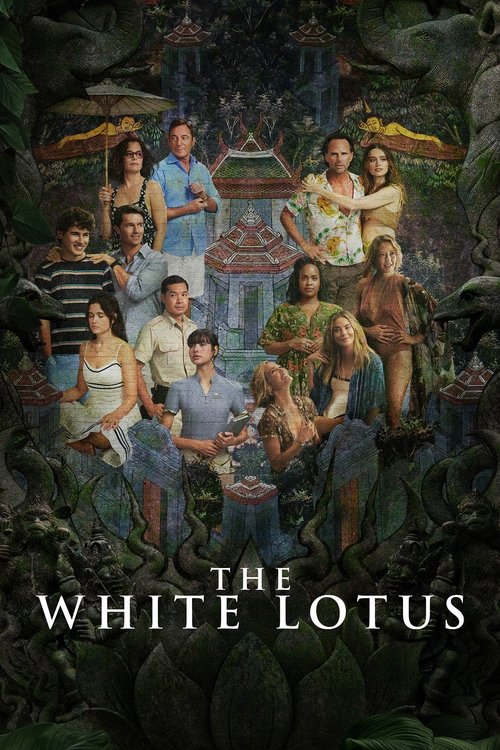
Follow the exploits of various guests and employees at an exclusive tropical resort over the span of a week as with each passing day, a darker complexity emerges in these picture-perfect travelers, the hotel’s cheerful employees and the idyllic locale itself.
Get the Weekly Woke Watchlist
New and trending movies scored for woke bias, preachy messaging, and forced political themes — before you waste your evening.
No spam. One useful email per week.
Season-by-Season Breakdown
Season 1
First season follows the vacations of various hotel guests over the span of a week as they relax and rejuvenate in paradise. But with each passing day, a darker complexity emerges in these picture-perfect travelers, the hotel’s cheerful employees and the idyllic locale itself.
View Full Season AnalysisSeason 2
Set at an exclusive Sicilian resort, follow the exploits of various guests and employees over the span of a week.
View Full Season AnalysisSeason 3
Set at a luxurious wellness resort in Thailand, the lives of wealthy guests and dedicated staff intertwine in unexpected ways. The season explores themes of privilege, personal transformation, and cultural contrasts, all set against the backdrop of stunning locales and intricate social dynamics.
View Full Season AnalysisOverall Series Review
Categorical Breakdown
Get the Weekly Woke Watchlist
New and trending movies scored for woke bias, preachy messaging, and forced political themes — before you waste your evening.
No spam. One useful email per week.