TV Series
Law & Order
Woke Score
3.6
out of 10
Series Overview
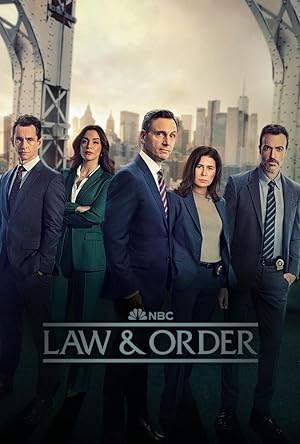
Filmed on location in New York, the drama showcases the sometimes-complex process of determining guilt or innocence, while lives hang in the balance. Often inspired by the latest headlines, the plots highlight legal, ethical or personal dilemmas to which people can relate.
Weekly Alert
Get the Weekly Woke Watchlist
New and trending movies scored for woke bias, preachy messaging, and forced political themes — before you waste your evening.
No spam. One useful email per week.
Season-by-Season Breakdown
Season 4
Pending
No overview available.
Season 5
Pending
No overview available.
Season 7
Pending
No overview available.
Overall Series Review
The overall run of *Law & Order* is defined by its rigid, dual-sided procedural structure: the police investigation followed by the District Attorney's prosecution. Across its many decades, the series consistently utilized a "ripped from the headlines" approach, meaning the narrative always engaged directly with the most volatile social and political conflicts of the time, ranging from race relations and organized crime in the early 90s to issues of police accountability and gender dynamics in its later revivals. The show’s core identity, especially in its initial two decades, was built on championing the rule of law, institutional competence, and the pursuit of objective legal truth as the necessary guardrails against societal chaos.
Over time, the focus of the series underwent a significant evolution. The early seasons (1990s) presented controversial issues—like alternative sexualities or institutional corruption—primarily as complicated legal and ethical debates, often featuring characters with diverse, conflicting viewpoints that prevented a single dogmatic message. While competent casts of varying races and genders were featured, their professional merit superseded identity politics. As the series progressed, particularly following its revival, the focus shifted. Later seasons increasingly positioned the American justice system and traditional institutions as fundamentally flawed or compromised by systemic issues. Narrative tension in these newer episodes often stemmed from ideological clashes between characters regarding racial equity, gender roles, and institutional bias, rather than solely focusing on establishing criminal guilt.
The continuity of the series rests on its commitment to procedure, even as the underlying philosophy changed. While early installments affirmed the law as a neutral arbiter, later installments used the courtroom as a stage to critique the law itself, often exploring themes of moral relativism or the necessity of vigilante or street justice when official channels fail. Despite these shifts, the presence of competent professionals—detectives and prosecutors—remained a constant, though in later years, the white male characters were more frequently shown as needing correction or being inherently skeptical of progressive narratives.
In summary, *Law & Order* stands as a decades-spanning procedural landmark whose format remained structurally consistent while its ideological content matured from a tough-on-crime, institution-affirming drama into a more skeptical examination of American social fault lines. It successfully adapted to reflect the nation's evolving moral panics, making it a vital, if sometimes contradictory, reflection of the American legal and cultural landscape across nearly thirty years.
Categorical Breakdown
Identity Politics4.3/10
Oikophobia3.4/10
Feminism3.6/10
LGBTQ+3.1/10
Anti-Theism3.9/10
Weekly Alert
Get the Weekly Woke Watchlist
New and trending movies scored for woke bias, preachy messaging, and forced political themes — before you waste your evening.
No spam. One useful email per week.